Using Natural Fire Starters Instead of Lighter Fluid for Cleaner BBQ Taste
You’re compromising your BBQ’s flavor every time you use lighter fluid-it leaves behind chemical residues that taint your food with a harsh, artificial aftertaste. Natural fire starters burn clean, avoid petroleum-based additives, and preserve the authentic sear and smoke you want. They’re safer, eco-friendly, and enhance taste without compromising performance. You’ll notice the difference in every bite, and there’s more to learn about mastering cleaner, better grilling.
Notable Insights
- Natural fire starters avoid chemical residues that taint food and grill grates.
- They burn cleanly, preserving the authentic sear and smoke flavor of grilled food.
- Made from wood fiber or wax, they produce minimal harmful emissions during combustion.
- Proper placement under a coal pyramid ensures even ignition and steady heat.
- Eco-friendly options use sustainable materials and eliminate synthetic accelerants for safer grilling.
Why Lighter Fluid Ruins Your BBQ Taste
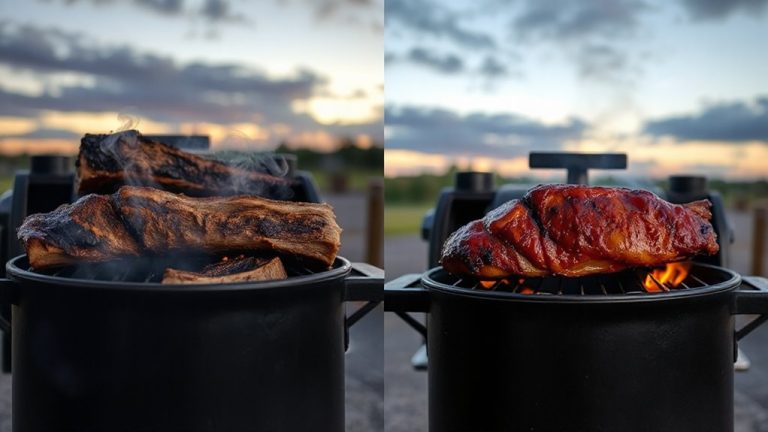
While you might reach for lighter fluid out of habit, it’s worth reconsidering-because that quick ignition comes at a cost to your food’s flavor. The chemical residue left behind by lighter fluid doesn’t just evaporate; it clings to the grill grates and transfers directly to your meat, causing notable flavor contamination. You’re not just tasting smoke-you’re tasting petroleum-based additives that overpower the natural richness of seared proteins and charred vegetables. Even after flames subside, these residues linger, subtly skewing your BBQ’s profile with a harsh, artificial aftertaste. Frequent use builds up more residue, making each cookout less authentic than the last. Grill experts often point to this as the primary reason backyard meals fall short of that ideal smoky depth. Unlike cleaner-burning alternatives, lighter fluid prioritizes speed over quality, sacrificing long-term taste for short-term convenience. Consider how often that synthetic tang dulls your efforts-flavor purity starts long before seasoning.
How Natural Fire Starters Prevent Bad Flavor
You can skip the chemical aftertaste and still get a reliable fire with natural fire starters designed to burn clean and consistent. These starters, made from materials like wood fiber, wax, or paraffin-infused cardboard, produce minimal residue, supporting smoke purity from the moment flames catch. Unlike lighter fluid, which releases volatile compounds that cling to food, natural options avoid contaminating the air around your grill. That means you’re not fighting off artificial notes with every bite-just the food’s true taste. Flavor preservation is key in outdoor cooking, and cleaner combustion directly enhances it. Pitmasters and home grillers alike notice clearer, more authentic smoke profiles when avoiding petroleum-based aids. Since the smoke comes from pure, controlled sources like hardwoods or plant-based wax, it complements rather than overwhelms. You’re not just starting a fire-you’re shaping the foundation of your meal’s aroma and depth, ensuring every sear and smoke ring reflects your skill, not the starter.
How to Light Natural Fire Starters Without Fluid
Why struggle with harsh fumes when getting your grill going? You don’t need lighter fluid-natural fire starters light easily with the right technique. Begin by placing your starter in the center of the charcoal bed; this ideal fire placement guarantees even spread. Stack coals around it in a pyramid to promote upward draft. Use long matches or a grill lighter to ignite the material, then let it catch for 30–60 seconds. Fundamentally, allow airflow control by keeping grill vents open-oxygen feeds the flames and helps the fire build steadily. Avoid smothering the starter with too much charcoal too soon. You’ll notice fewer false starts and consistent ignition within five minutes. This method enhances safety and taste, avoiding chemical residues. With proper setup, lighting natural starters becomes reliable, efficient, and ideal for clean-grilled results every time.
Top 5 Eco-Friendly Natural Fire Starters
Now that you’ve mastered lighting natural fire starters without relying on chemical-laden fluids, it’s time to explore the best options that combine eco-conscious design with reliable performance. You’ll want products made with sustainable sourcing, like compressed sawdust from responsibly managed forests or recycled wood waste. These starters ignite quickly, burn evenly, and leave minimal ash. Brands using plant-based wax binders reduce your carbon footprint compared to petroleum-based alternatives. Look for those free of synthetic accelerants-your food will taste cleaner, and you’ll support eco-certified practices. Some top choices include hardwood lump charcoal blocks, coconut husk pucks, and cardboard egg crate squares made from post-consumer materials. Each lights easily with a match or chimney starter and sustains steady heat for consistent grilling. They’re durable in storage and weather-resistant, making them practical for frequent outdoor cooks. Choosing these means better flavor and greener grilling.
Make DIY Natural Fire Starters for Grilling
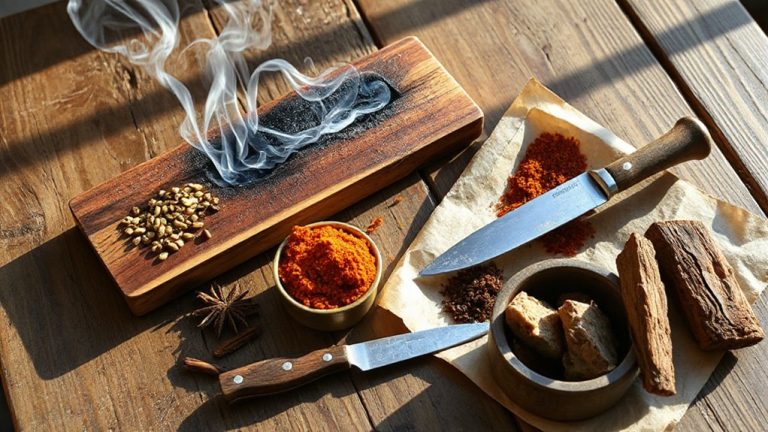
While commercial options offer convenience, crafting your own natural fire starters can elevate your grilling experience with greater control over materials and cost. You can easily make effective starters using simple household items. Start by placing small wood shavings or wood chips in the center of a square of wax paper, then fold the paper into a pouch, crimping the edges to seal. The wax helps sustain a steady flame while the wood chips ignite quickly. When lit, these starters burn evenly, reducing flare-ups and avoiding chemical aftertastes. They’re especially effective when lighting charcoal or seasoning a grill. Since you choose what goes in them-like untreated wood or recycled paper-you avoid unwanted additives. These DIY starters are economical, eco-friendly, and reliable, making them a practical upgrade to your routine. Their performance compares well to store-bought alternatives, provided you use dry, quality materials.
Use Natural Fire Starters Safely
A well-prepared natural fire starter can make all the difference in achieving a clean, controlled grill ignition, but using it safely is just as important as how you make it. You need to prioritize fire safety by placing your grill on a stable, non-flammable surface, well away from structures, dry grass, or overhangs. Always keep a fire extinguisher or bucket of sand nearby. Natural starters offer better ignition control than chemical fluids, reducing flare-ups and uneven burns. Still, never douse them with accelerants or pile on too many at once-this overwhelms the system and risks losing control. Light only one or two starters at a time, positioned beneath the charcoal, and let them catch gradually. Stay present throughout ignition. These steps guarantee dependable performance while minimizing hazards, so you get a safe, predictable fire every time-critical for both novice and experienced grillers alike.
Natural Fire Starter Best Practices for Better BBQ
Since not all natural fire starters deliver the same results, choosing the right one can greatly influence both the ease of ignition and the flavor profile of your grilled food. For best results, pair your starter with proper fire safety and consistent grill maintenance. Here’s a quick guide:
| Fire Starter | Ignition Time | Best For |
|---|---|---|
| Paraffin cubes | 5–7 min | Charcoal grills |
| Wood chips | 10–12 min | Smoky flavor lovers |
| Lint & wax DIY | 6–8 min | Budget-friendly use |
| Solid alcohol | 8–10 min | Controlled burns |
| Pine cones (dry) | 7–9 min | Outdoor, rustic setups |
Place starters beneath charcoal or wood, never on top. Allow full lighting before cooking. This approach boosts control and minimizes flare-ups, supporting both fire safety and long-term grill maintenance.
On a final note
You’ll notice a cleaner, more natural taste in your food when you skip lighter fluid and use natural fire starters. They ignite efficiently without leaving behind chemical residues that taint your grill’s flavor. Products like wood-based cubes or paraffin wax with sawdust perform reliably, while DIY versions offer control and low cost. With proper lighting technique and safe placement, they maintain consistent heat. Over time, this method improves grill maintenance and cooking precision-making it a practical upgrade for any serious outdoor chef.