Mastering the Art of Seasonal Flavor Profiles: Tips for Enhancing Your Outdoor Cookery Efforts Throughout the Year
You boost flavor by grilling with the season’s peak ingredients-summer’s sweet corn and zucchini caramelize best over high heat, while fall’s squash and root vegetables thrive with slow, indirect roasting. Fresh herbs and citrus brighten spring and summer dishes, while winter calls for bold rubs and hardy greens. Matching proteins and spices to seasonal availability deepens taste and texture. Using the right wood and heat method enhances each dish’s natural profile. There’s more to explore in aligning your grill habits with nature’s cycle.
Notable Insights
- Use peak-season produce like summer corn or fall squash for optimal flavor and grilling performance.
- Match grill methods to seasons-high heat for summer searing, indirect smoke for winter tenderness.
- Enhance spring vegetables and seafood with citrus-based marinades and light herb pairings.
- Apply bold, warming spices and robust herbs like rosemary for hearty winter grill dishes.
- Rotate fruits, herbs, and spices seasonally to align with natural sweetness and regional harvest traditions.
Why Seasonal Grilling Builds Better Flavor
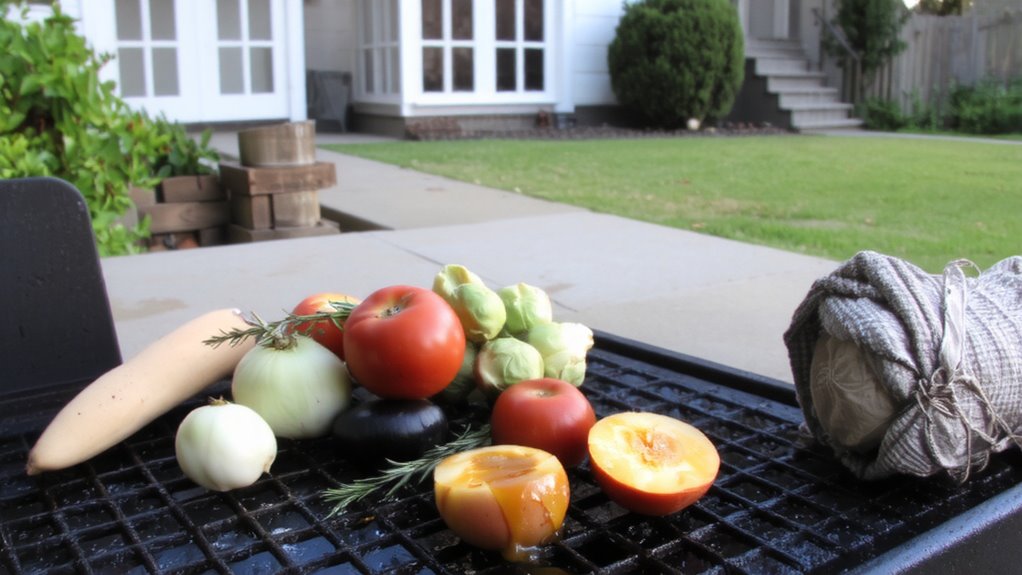
While you might think the secret to great grilling lies in rubs or technique, the truth is that timing-specifically aligning your cookouts with seasonal ingredients-makes a noticeable difference in flavor. When you grill produce and proteins at their peak, you tap into natural harvest freshness, which enhances taste and texture. Off-season items often travel far and sit in storage, losing essence and sweetness. In contrast, summer vegetables like zucchini or corn grilled in summer deliver crispness and brightness, while fall apples or squash offer rich depth when seared just after harvest. This alignment creates flavor synergy-where the smokiness of the grill complements, rather than overpowers, the ingredient’s intrinsic qualities. You’re not just cooking; you’re amplifying what’s already there. Seasonal grilling doesn’t complicate your process-it simplifies it, letting peak-condition ingredients shine with minimal intervention, turning ordinary meals into consistently flavorful experiences.
Match Your Grill Method to the Season’s Ingredients
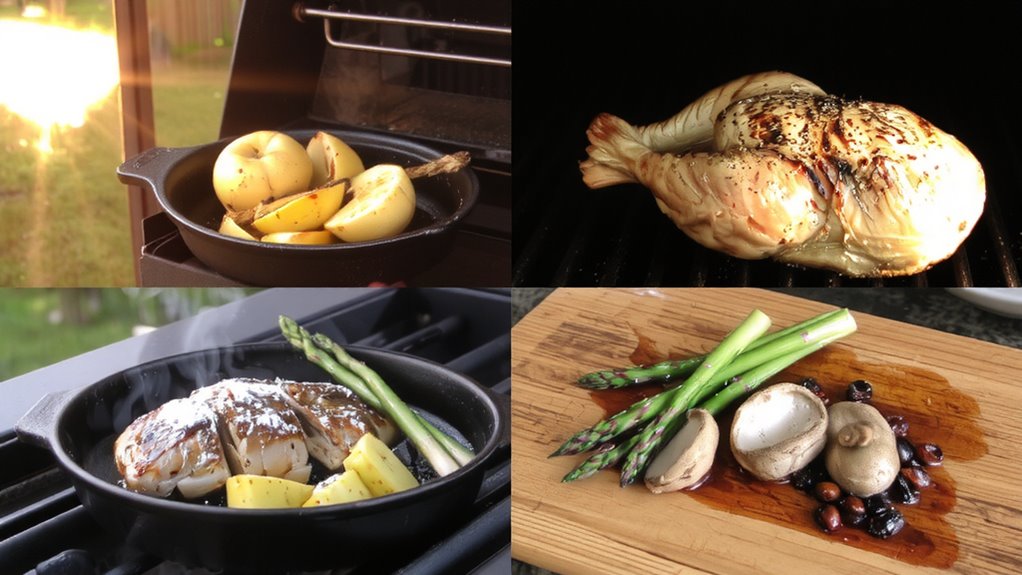
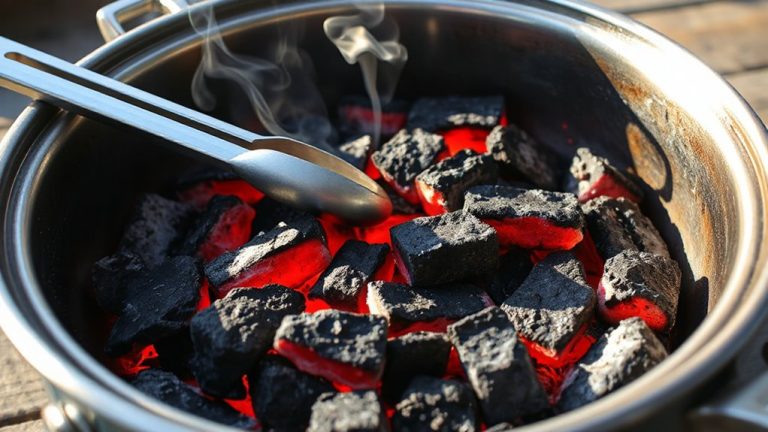
Because different ingredients respond best to specific heat levels and cooking times, matching your grill method to what’s in season helps you get the most out of each item you cook. You’ll notice summer’s ripe vegetables caramelize beautifully over high grill temperature, while fall root crops benefit from slower, indirect heat. Adjusting your fuel type makes a difference, too-lump charcoal delivers intense, controllable heat ideal for searing peak-season steaks, whereas seasoned hardwoods add subtle smokiness to autumn’s game meats. In winter, when longer cook times are typical, a consistent fuel source like pellet grills maintains steady performance despite cold. By aligning grill temperature with ingredient density and moisture content, and selecting fuel type for flavor contribution and burn efficiency, you enhance texture and depth. This isn’t just cooking-it’s precision outdoor craft, where seasonal awareness and technical control lead to reliably superior results. For those who enjoy a touch of heat without overwhelming spice, incorporating best mild chili peppers can add depth and complexity to grilled dishes year-round.
Spring Grilling: Bright Citrus and Tender Greens
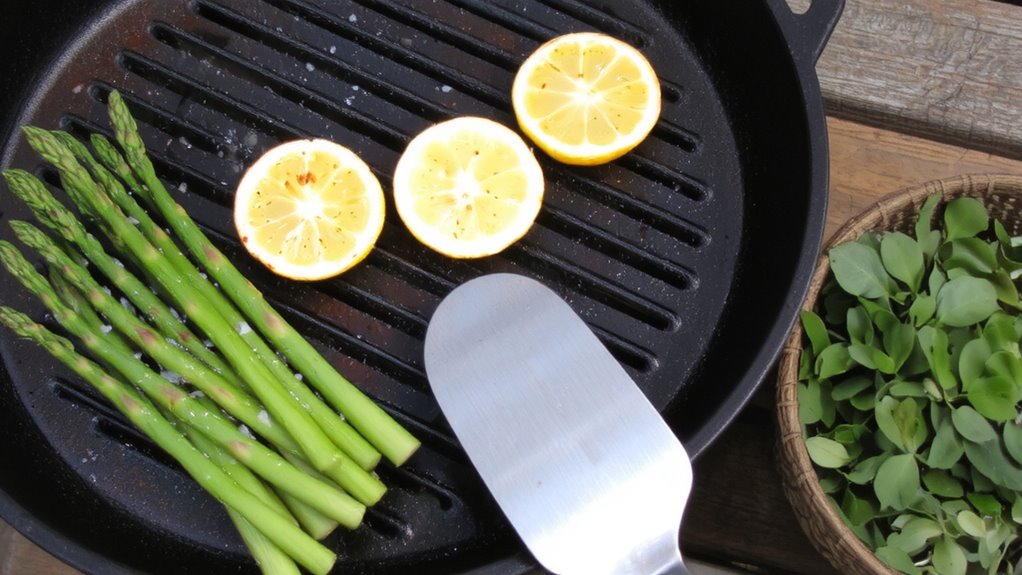
Spring brings a fresh rhythm to the grill, shifting from the hearty demands of winter cooking to the delicate balance required for tender greens and zesty citrus. You’ll want to adjust heat and timing-high flames will wilt asparagus or scorch lemon halves. Citrus pairings elevate proteins and veggies alike; a squeeze of orange over grilled radicchio adds brightness, while charred grapefruit works wonders with salmon. Green marinating-soaking leafy or young vegetables in citrus-based mixtures-not only infuses flavor but helps prevent drying. Use olive oil, garlic, and lemon juice for a base that clings well and promotes even grill marks. Tenderness is key: watch cook times closely. Below are ideal matches for this season’s best.
| Ingredient | Citrus Pairing | Marinating Time |
|---|---|---|
| Asparagus | Lemon | 20 min |
| Artichokes | Orange | 30 min |
| Broccolini | Lime | 15 min |
| Romaine hearts | Grapefruit | 10 min |
| Scallops | Yuzu or Bergamot | 25 min |
Summer Grilling: Juicy Stone Fruits and Fresh Herbs
When the heat of summer settles in, your grill becomes the centerpiece of bold, sun-kissed flavors, especially when working with ripe stone fruits and sturdy fresh herbs. You’ll want to halve peaches, plums, or nectarines and place them cut-side down to achieve clean grill marks and ideal fruit caramelization. The high heat intensifies their natural sugars, yielding a smoky-sweet depth that raw fruit can’t match. Rosemary, thyme, and oregano hold up well over direct flame-toss sprigs on the grates to infuse meats or vegetables with aromatic complexity. Unlike delicate herbs, these woody varieties won’t scorch easily and release oils that amplify savory profiles. Brushing fruit with a touch of oil guarantees even browning without sticking. This technique isn’t just flavorful-it’s efficient, using the grill’s radiant heat to transform simple ingredients. Done right, the result is balanced, vibrant, and emblematic of summer’s peak.
Fall Grilling: Earthy Squash and Warm Spices
The scent of roasted squash mingling with smoke and spice signals a shift in the grilling season-one where summer’s brightness gives way to autumn’s deeper, earthier notes. You’ll find that thick slices of butternut or delicata hold up well on the grate, their texture firm yet yielding when cooked over steady, indirect heat. Their roasted sweetness deepens with caramelization, enhanced by a brush of maple or a sprinkle of brown sugar. Pair this richness with harvest spices-think cinnamon, nutmeg, and smoked paprika-for a balanced, warming profile. These spices don’t just add flavor; they complement the vegetable’s natural sugars without overpowering them. A touch of olive oil helps conduct heat evenly and prevents sticking. You’ll notice that fall grilling rewards patience: moderate temperatures coax out complexity, transforming simple squash into something resonant and satisfying.
Winter Grilling: Bold Marinades and Hearty Veggies
Though winter’s chill might make your grill seem like the last place you’d want to be, it’s actually the perfect time to embrace bold flavors and robust vegetables that thrive under high, dry heat. You’ll want marinades rich with garlic, smoked paprika, and soy-deep flavors that stand up to cold-weather palates. These bold profiles create smoky mains like grilled short ribs or marinated skirt steak, which develop crisp edges and juicy interiors when seared over steady, high heat. For robust sides, stick to root vegetables-think thick-cut potatoes, carrots, and beets-tossed in olive oil and herbs, then grilled until caramelized. Their hearty textures balance the intensity of your proteins. Cold air helps stabilize grill temperatures, giving you better control. With proper prep and a tight lid, winter grilling isn’t just doable-it’s where smoky mains and robust sides shine. A reliable best portable griddles can make all the difference when searing steaks or charring vegetables outdoors in colder months.
Build a Year-Round Seasonal Grill Menu
What if your grill could follow the seasons, adapting not just to the weather but to nature’s shifting palette of flavors? You can make it happen by building a year-round seasonal menu that aligns with fresh, local ingredients. In spring, grill asparagus and artichokes with light citrus rubs; summer calls for peaches, zucchini, and grass-fed burgers. Fall’s hearty squash and apples pair well with smoky chipotle glazes, while winter leans on robust roots and marinated meats. Consistent grill maintenance guarantees peak performance across months, preventing flare-ups and uneven cooking. Clean grates, inspect burners, and check for grease buildup regularly. Proper upkeep also boosts fuel efficiency, especially when using gas or pellet systems-less waste means longer cook times and better temperature control. Rotating menu items by season not only enhances taste but reduces strain on your equipment. A smart, seasonal approach keeps your grill-and your meals-in top form all year. For optimal results, consider using the best grilling spices to complement each season’s unique ingredients.
On a final note
You’ll get the best results when you align your grilling methods with seasonal ingredients, as freshness directly impacts flavor and texture. Spring’s citrus brightens delicate greens, while summer’s stone fruits caramelize beautifully over high heat. Fall’s squash and spices thrive with slow, indirect grilling, and winter’s bold marinades penetrate hearty vegetables and meats. Mastering these profiles elevates your outdoor cooking year-round, turning predictable routines into dynamic, flavorful experiences grounded in timing, technique, and ingredient integrity.