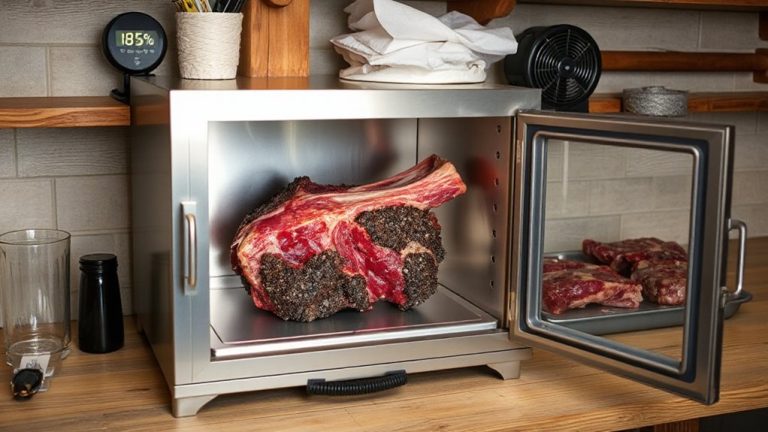
Exploring the Health Benefits and Risks of Consuming Grilled Meat Regularly
Grilling meat regularly can increase your exposure to harmful compounds like HCAs and PAHs, especially when cooking fatty cuts or charring meat heavily. These carcinogens form at high temperatures and are linked to higher cancer risk. You can reduce dangers by marinating meat, using leaner cuts, and avoiding flare-ups. Grilled vegetables offer a safer, nutrient-rich alternative. Cooking less often and at lower heat also helps. There’s more to learn about balancing flavor and health the smart way.
Notable Insights
- Grilling meat at high temperatures forms carcinogens like HCAs and PAHs, increasing cancer risk with regular consumption.
- Marinating meat, especially with antioxidant-rich ingredients, can significantly reduce the formation of harmful compounds during grilling.
- Fatty meats produce more drippings and smoke, leading to higher PAH levels, while lean cuts reduce but don’t eliminate risk.
- Grilled vegetables offer a safer alternative, providing flavor and nutrients without forming HCAs or PAHs.
- Limiting grilled meat to once or twice weekly and avoiding charring helps minimize health risks while allowing occasional enjoyment.
Does Grilled Meat Cause Cancer?
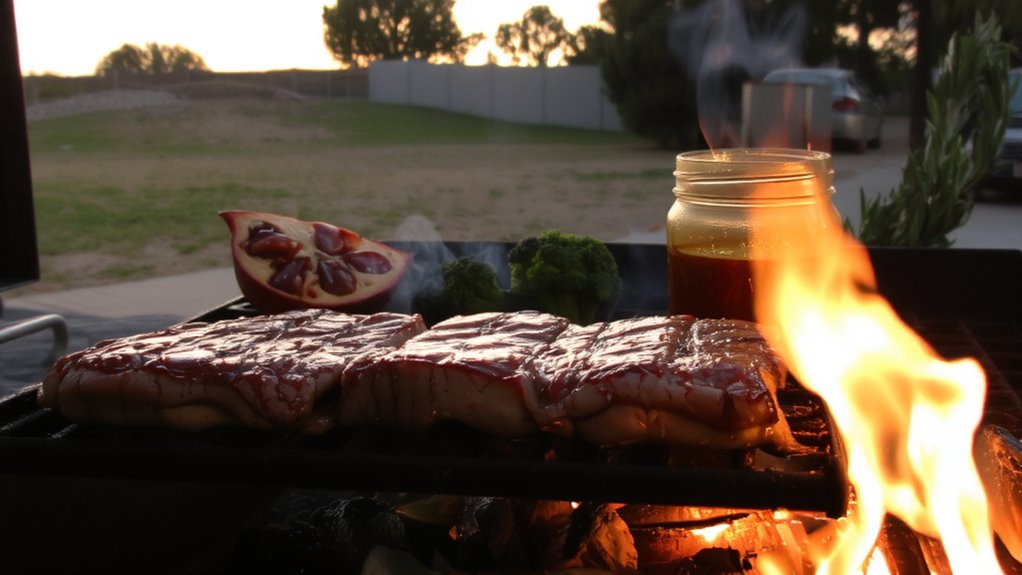
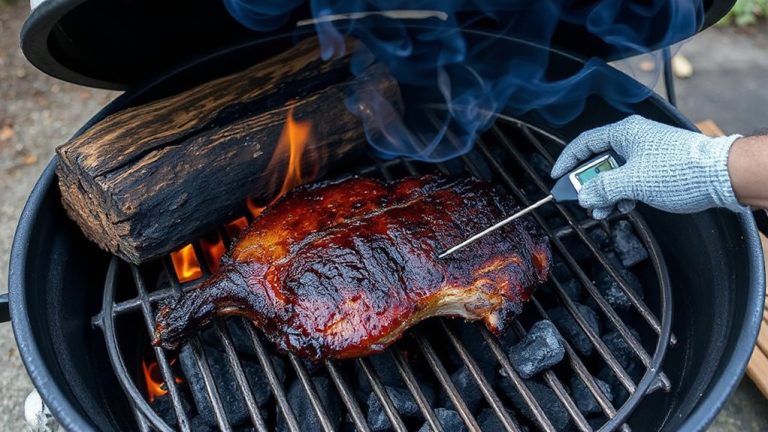
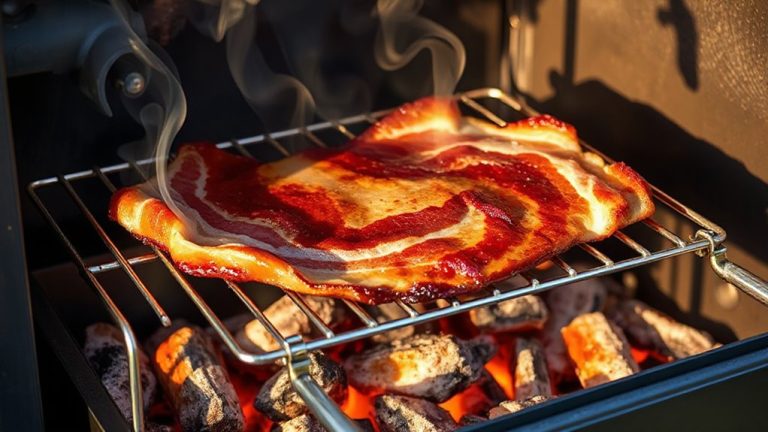
Could something as satisfying as a backyard barbecue come with hidden risks? Yes-grilling meat at high temperatures produces harmful compounds like heterocyclic amines (HCAs) and polycyclic aromatic hydrocarbons (PAHs), which are linked to cancer. When fat drips onto hot coals, smoke containing PAHs rises and settles on your food. That means every time you breathe in that smoky aroma, you’re also experiencing smoke inhalation, adding risk beyond what you eat. Wrapping food in aluminum foil helps by reducing direct exposure to flames and catching drips, decreasing both PAH formation and flare-ups. While occasional grilling likely poses minimal danger, frequent exposure increases concern. You should balance tradition with caution-modify how you grill to reduce hazards, rather than abandon it altogether. Grilling isn’t inherently dangerous, but your techniques can make a meaningful difference to long-term health.
Can Marinating Make Grilled Meat Safer?
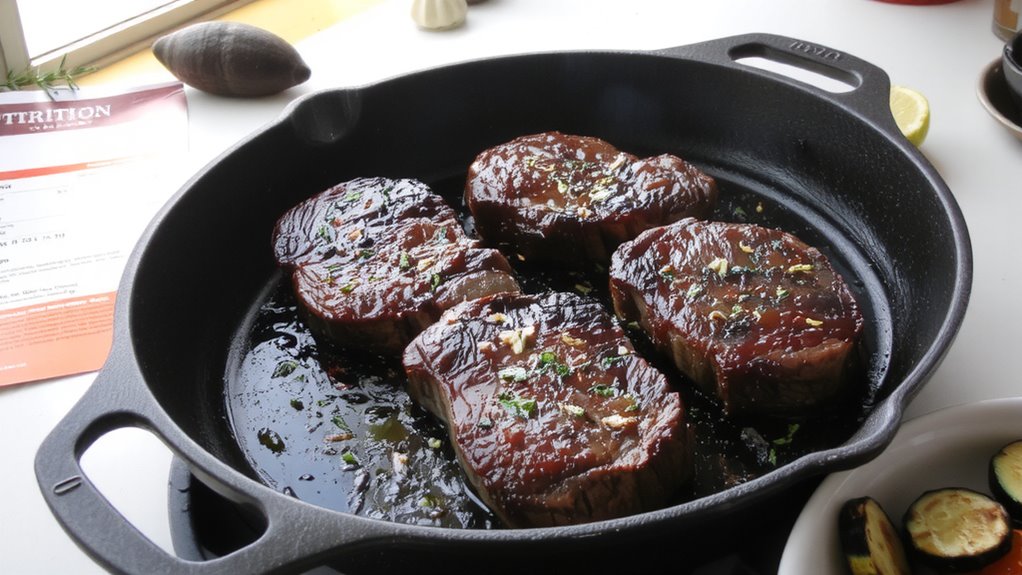
Why does grilled meat sometimes carry health risks, and can you do anything about it? Yes-you can reduce harmful compound formation by marinating your meat before cooking. Studies show that a well-designed marinade composition, especially one rich in antioxidants from herbs, vinegar, or citrus, can markedly lower levels of heterocyclic amines (HCAs) and polycyclic aromatic hydrocarbons (PAHs). The acids and oils in marinades create a protective barrier, slowing down carcinogen development during grilling. You’ll also benefit from reducing grilling duration, as shorter cook times at moderate heat further decrease risk. Even 30 minutes of marinating makes a measurable difference. While marinating won’t eliminate all dangers, it’s a practical, evidence-backed step toward safer grilling. Choose marinades with bold flavors and natural antioxidants, and don’t skip the pre-soak-it’s a simple move that boosts both safety and taste without altering your BBQ routine much. For convenience and consistent results, consider using a high-quality bottled marinade for chicken.
Do Fatty Meats Increase Carcinogens on the Grill?
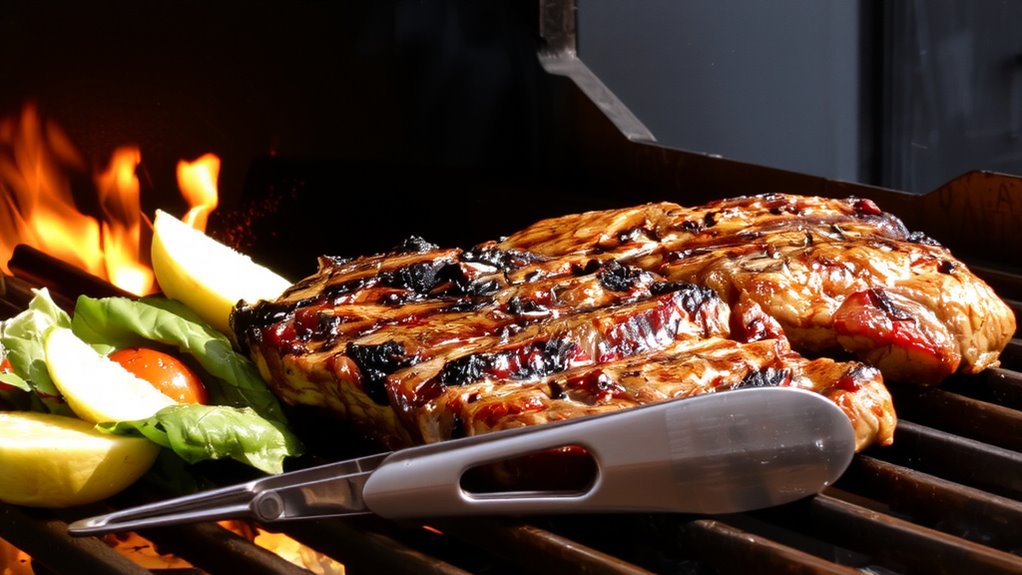
How often do you fire up the grill and reach for a juicy ribeye or a plump sausage, only to hear warnings about carcinogens forming on the surface? The truth is, high heat and fat content play a big role in this. When fat drips onto hot coals, it causes smoke and flare-ups, which carry harmful compounds like PAHs back onto the meat. Fatty cuts increase these chemical reactions, raising your exposure. Leaner meats produce less dripping, reducing the risk. Still, even lean cuts can form HCAs when charred, so it’s not just about fat. You can lower carcinogen formation by trimming excess fat, flipping frequently, and avoiding direct flame. Grilling doesn’t have to be unhealthy-smart choices make a difference. Monitoring heat and minimizing flare-ups helps balance flavor and safety, keeping your BBQ enjoyable and more health-conscious.
Are Grilled Vegetables a Healthier Alternative?
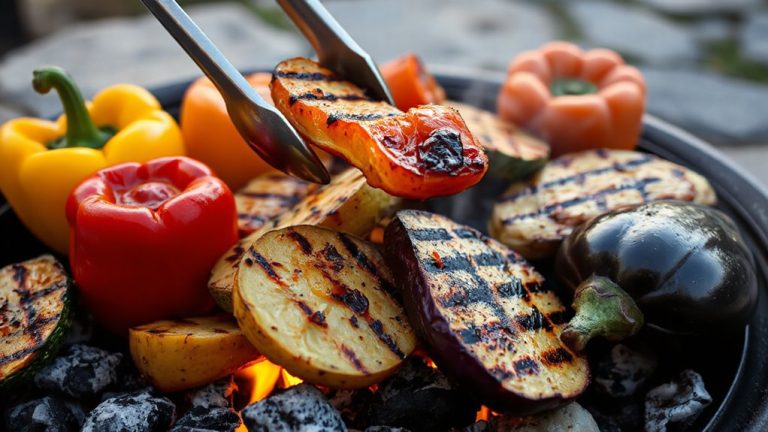
While grilling often centers on meat, turning vegetables over the flame offers a compelling twist that’s both flavorful and better aligned with health goals. You get that smoky grilled flavor without the harmful compounds linked to charred meat. Plus, vegetables retain more nutrients when grilled briefly at high heat-this means better nutrient retention compared to boiling. Unlike fatty meats, veggies don’t drip fat that causes flare-ups, reducing carcinogen formation.
| Vegetable | Grilled Flavor Score (1-5) | Nutrient Retention (%) |
|---|---|---|
| Zucchini | 4 | 85 |
| Bell Pepper | 5 | 90 |
| Eggplant | 4 | 80 |
You’re not just cutting risks-you’re boosting fiber, antioxidants, and variety. Grilled vegetables give you taste and wellness in one satisfying package.
How Often Can You Safely Eat Grilled Meat?
Occasionally enjoying grilled meat can fit into a balanced diet, but doing it too often may increase your exposure to harmful compounds like heterocyclic amines (HCAs) and polycyclic aromatic hydrocarbons (PAHs), which form when meat is cooked at high temperatures over open flames. You can reduce these risks by managing grill temperature-cooking at lower, steady heats helps limit HCA formation. Avoid charring meat, since blackened areas contain higher concentrations of these compounds. Portion control also plays a key role; smaller servings mean less overall exposure and make it easier to balance grilled meat with grilled vegetables or side salads. Most health experts suggest limiting grilled meat to once or twice a week, especially if you’re using charcoal or open-flame methods. Moderation, smart cooking practices, and mindful portion control make grilling a safer, more sustainable habit.
What Are the Best Cuts for Healthy Grilling?
When choosing cuts for the grill, going with leaner options usually means fewer flare-ups and less exposure to harmful compounds like HCAs and PAHs. Opting for lean cuts not only reduces fat drippings that cause smoke but also supports a healthier meal overall. Pairing these choices with portion control guarantees you enjoy flavor without overdoing saturated fat. For beef lovers, selecting the right best BBQ beef cuts can make a significant difference in both taste and health impact. Here are some top picks:
| Cut | Fat Content (per 4 oz) | Grill Time (approx.) |
|---|---|---|
| Sirloin | 5g | 6–8 mins per side |
| Chicken breast | 3g | 6–7 mins per side |
| Pork tenderloin | 4g | 12–15 mins total |
| Flank steak | 6g | 5–6 mins per side |
These lean cuts cook evenly and absorb marinades well, enhancing taste naturally. Practicing portion control-aiming for 3–4 ounces per serving-keeps your grilled meals balanced and health-conscious.
Smart Tips for Safer Grilling at Home
You’ve picked the right cuts for your grill, but how you cook them matters just as much. Controlling grill temperature is key-high heat can form harmful compounds like heterocyclic amines, so aim for a medium setting and avoid charring. Preheat your grill to guarantee even cooking, and flip meat frequently to reduce exposure to intense flames. Marinating beforehand not only boosts flavor but also lowers toxin formation. Pair your grilled meats with antioxidant-rich side dishes like grilled vegetables or fresh salads to balance the meal and support overall health. Don’t reuse marinades that touched raw meat, and keep your grill clean to prevent flare-ups. Using a meat thermometer helps reach safe internal temperatures without overcooking. Smart grilling combines technique, timing, and thoughtful choices-making your BBQ safer without sacrificing taste.
On a final note
You can enjoy grilled meat regularly, but moderation and technique matter. High-heat cooking produces carcinogens like HCAs and PAHs, especially in fatty cuts or charred sections. Marinating, pre-cooking, and flipping frequently help reduce risks. Grilled vegetables offer a safer, nutrient-rich alternative. Opt for lean meats, avoid flare-ups, and balance grilling with other cooking methods. With smart practices, outdoor cooking remains a flavorful, reasonably healthy choice.