Choosing the Right Type of Cooker for Making Delicious Barbecue Sauces
You’ll get the richest barbecue sauce by choosing a cooker that guarantees steady, even heat. Slow cookers like the Crock-Pot or Breville lock in flavor over hours, while ceramic smokers add authentic smoke depth. For speed, a heavy stainless steel pot gives you control. Avoid aluminum or nonstick pans-they harm flavor. Watch the heat; high temps and poor stirring cause burns. Pick the right tool, and your sauce will shine with complexity you can taste. More details reveal how each choice shapes your final glaze.
Notable Insights
- Slow-cooking over wood or charcoal infuses barbecue sauce with deep, smoky flavor unachievable in ovens.
- Ceramic smokers like kamados provide steady low heat for even flavor concentration without scorching.
- Gas grills often yield flatter sauce flavors due to inconsistent smoke infusion and temperature control.
- Electric cookers may steam food, reducing flavor concentration despite precise temperature management.
- Slow cookers with ceramic inserts and tight seals enhance richness through controlled, gradual reduction.
What Cookers Do to BBQ Sauce Flavor
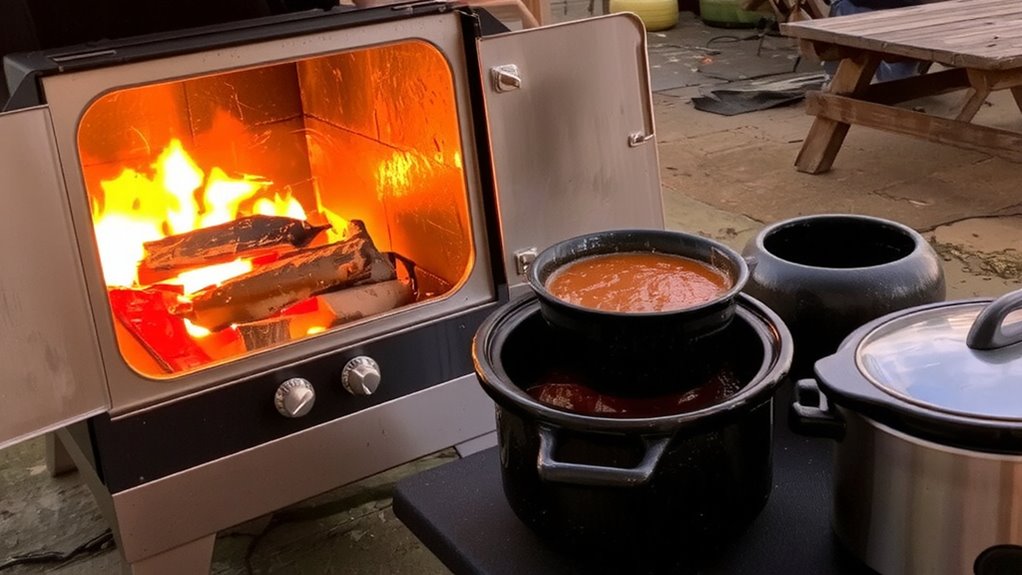
While the ingredients in your barbecue sauce play a big role in flavor, the type of cooker you use can drastically alter how those flavors develop and meld. When you slow-cook over wood or charcoal, you gain real smoke infusion, which adds depth no oven can replicate. Gas grills offer convenience but often fall short in delivering consistent smoke infusion, leaving sauces flatter. Ceramic smokers, like kamados, excel at maintaining low, steady heat-this promotes even flavor concentration without scorching. If you’re aiming for boldness, the cooker’s ability to trap moisture and smoke matters. Electric models control temperature well but tend to steam rather than concentrate flavor. You’ll notice richer results when evaporation is gradual, letting sugars caramelize and ingredients bind. Your cooker isn’t just a tool-it shapes the sauce’s final character, influencing everything from aroma to viscosity through its control of heat and smoke exposure. For those seeking versatility in smoke and sear, a grill smoker combo can offer the best of both worlds.
Best Slow Cookers for Deep, Rich Sauces
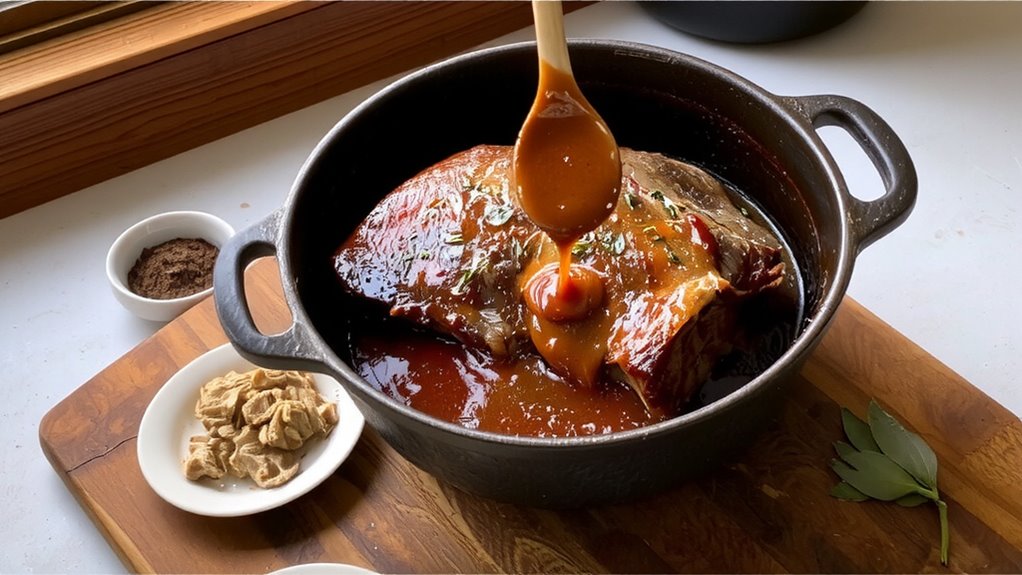
Because deep, rich barbecue sauces rely on long, gentle heat to develop complex flavor, your slow cooker choice makes a real difference in the final result. Models with ceramic inserts and tight-sealing lids, like the Crock-Pot 6-Quart Slow Cooker, excel at maintaining steady temperatures, which helps manage sauce consistency without scorching. A digital timer lets you precisely control cooking duration, essential when simmering sauces for 8 to 12 hours to deepen flavor. Look for units with adjustable heat settings-low settings around 190°F are ideal for slow reduction without boiling. Stainless steel models, such as the Breville Smart Slow Cooker, offer better heat retention and durability. Their precise thermostats reduce evaporation, ensuring your sauce thickens evenly. Always stir occasionally and monitor toward the end to avoid over-reduction. A reliable slow cooker enhances texture and depth, turning simple ingredients into restaurant-quality barbecue sauce.
Best Pots for Fast, Controlled Sauce Making
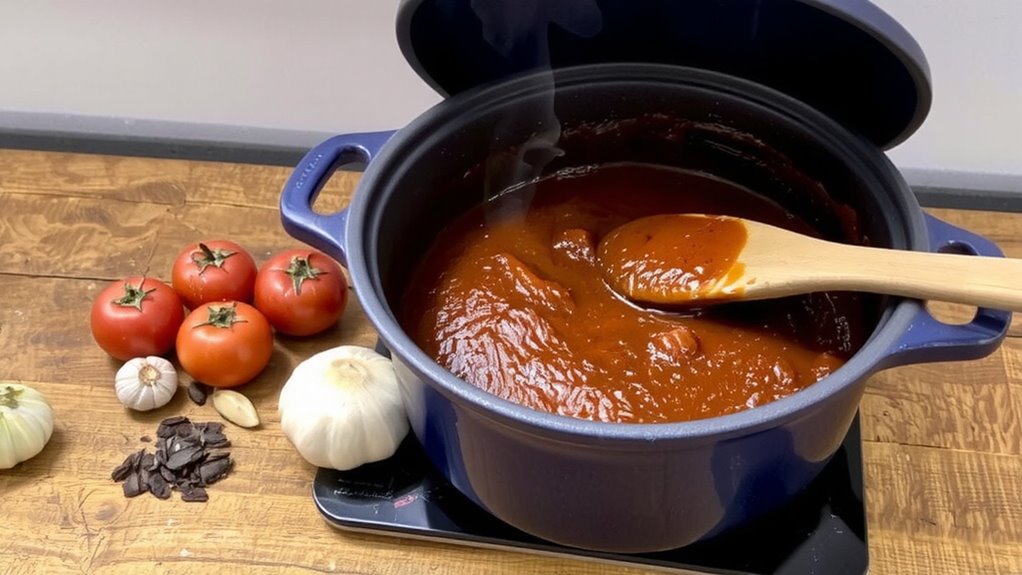
Starting with a solid, heavy-bottomed pot can make all the difference when you’re aiming for a smooth, balanced barbecue sauce in under an hour. You need quick reduction without scorching, and that’s where heat control matters. A thick base-like tri-ply stainless or clad aluminum-distributes warmth evenly, preventing hot spots. You’ll want a medium-sized saucepan, 3 to 4 quarts, with a tight-fitting lid to manage evaporation. Simmer precision is essential; look for pots that respond well to low-to-medium flame adjustments, especially on gas stoves. Materials like enameled cast iron work but may react too slowly for fast tweaks. Stay with responsive metals that let you fine-tune consistency on the fly. A good pour spout and stay-cool handle add practicality. These features together give you command over texture and flavor development, keeping your fast sauce batch from tipping into burnt or underdeveloped.
How Pan Material Changes Sauce Taste
Even though you might not expect your saucepan to influence flavor, the material it’s made from can subtly alter the taste of your barbecue sauce, especially during long simmering or with acidic ingredients like tomato or vinegar. Aluminum pans conduct heat quickly but may encourage uneven sugar caramelization and accelerate acid degradation, risking a metallic tang. Stainless steel, especially with a copper or aluminum core, offers better temperature control, preserving the sauce’s balance and promoting consistent sugar caramelization without reactivity. Cast iron retains heat superbly but can over-concentrate flavors if not monitored, while its porous surface sometimes interacts with acids over time, affecting acid degradation. Nonstick coatings simplify cleanup but often limit browning and depth, muting complexity. For accuracy and flavor stability, tri-ply stainless steel is your best bet-durable, neutral, and responsive. It supports controlled development, letting ingredients shine without unwanted chemical or thermal interference.
Common Cooker Mistakes That Burn Sauce
Why does your barbecue sauce go from rich and glossy to bitter and blackened in what feels like seconds? You’re likely facing sauce overheating or improper stirring-two common errors that sabotage even the best recipes. When you let the heat climb too high, sugars in the sauce caramelize fast, then burn. That’s especially true on gas or electric cookers without precise temperature control. You need consistent, low-to-medium heat to avoid scorching. And if you’re not stirring properly-sporadic or shallow mixing-pockets of sauce settle and overcook at the pan’s base. Proper stirring means reaching the bottom consistently, ensuring even heat distribution. These mistakes aren’t just about inattention; they reflect mismatched technique and equipment management. Avoid them, and you’ll preserve flavor, texture, and color. Mastering heat control and stirring technique is essential for any reliable barbecue sauce-no matter your cooker type.
Match Your Cooker to Your Sauce Style
How do you guarantee your barbecue sauce turns out perfectly every time? You match your cooker to your sauce style. Thick, molasses-based sauces thrive with slow smoke integration on offset smokers, while tangy vinegar types shine with quick grill infusion over a charcoal kettle. Your choice affects flavor depth, consistency, and char level. Consider heat control, fuel type, and cook time when selecting.
| Sauce Style | Best Cooker Type |
|---|---|
| Sweet & Thick | Offset Smoker |
| Tangy & Thin | Charcoal Kettle Grill |
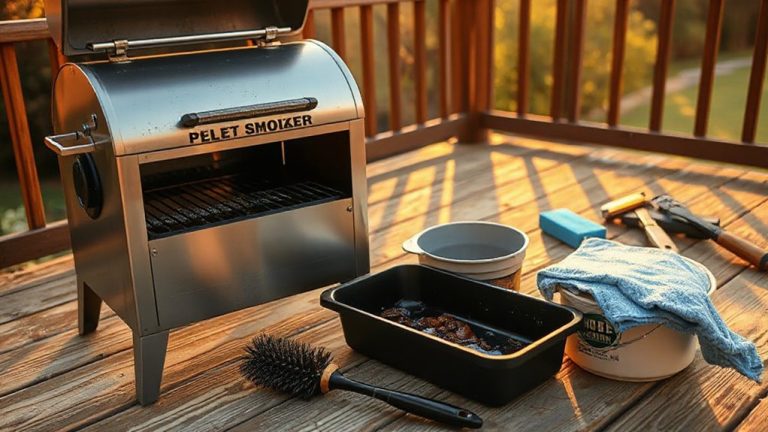
| Spicy & Bold | Pellet Grill |
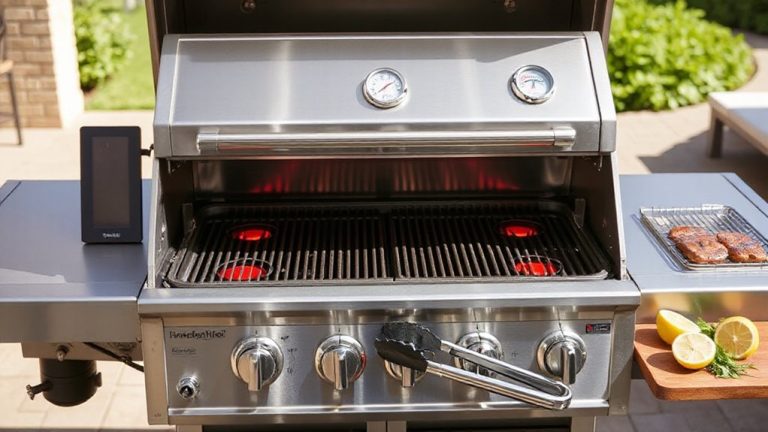
| Mustard-Based | Gas Grill with Smoker Box |
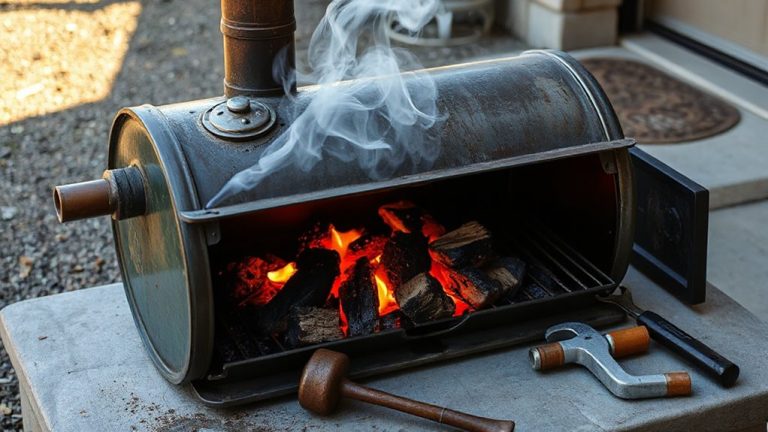
| Tomato-Vinegar | Barrel Smoker |
Each cooker delivers distinct smoke integration and grill infusion results. Pellet grills offer precision but less aggressive smoke; offset models provide intense, hands-on smoke integration. For balanced flavor and ease, match your sauce’s base and desired finish to the cooker’s strength. It’s not just about heat-it’s about harmony. A versatile option for achieving rich, smoky flavors with excellent temperature stability is a charcoal grill smoker.
On a final note
You’ll get the best barbecue sauce by matching your cooker to your recipe’s needs. Slow cookers develop deep, complex flavors over time, ideal for smoky, thick sauces. Heavy-bottomed pots offer precision for quick reductions. Materials like stainless steel prevent scorching, while cast iron retains heat well but requires care. Avoid thin pans that lead to burning. Ultimately, your choice affects texture, consistency, and taste-choose based on control, cook time, and desired richness.