How to Create a Polymerized Layer on a Flat-Top Grill Surface
Start by thoroughly cleaning your grill while it’s warm to remove all grime, then scrape and polish the surface until spotless. Choose a high-smoke-point oil like canola or grapeseed, and apply a thin, even coat using a lint-free cloth. Heat the grill to 350–450°F for 30–45 minutes to polymerize the oil, forming a smooth, non-stick layer. Repeat seasoning after each use to build durability. You’ll soon discover how proper care transforms your cooking experience.
Notable Insights
- Clean the grill surface thoroughly by heating and scraping to remove grime before seasoning.
- Choose a high-smoke-point, low-acid oil like canola or grapeseed for effective polymerization.
- Apply a thin, even coat of oil using a lint-free cloth to prevent pooling and stickiness.
- Heat the grill to 350°F–450°F for 30–45 minutes to bond the oil to the metal surface.
- Reapply a light oil layer after each use to maintain and strengthen the polymerized seasoning.
Clean Your Grill Before Seasoning
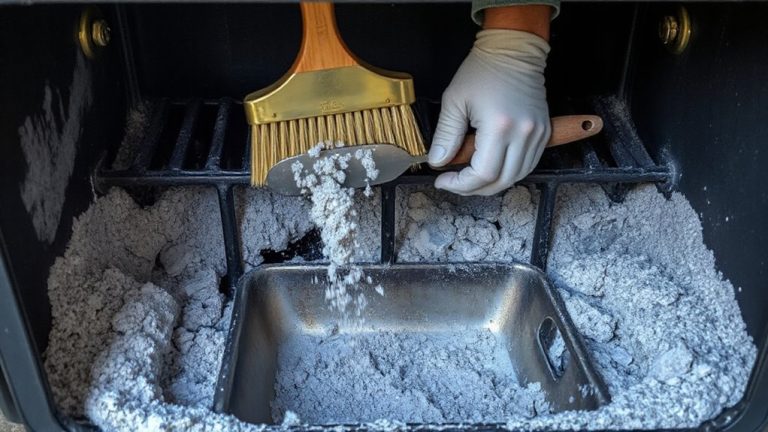
Before you begin building that essential polymerized layer on your flat-top grill, you’ve got to make sure the surface is spotless-because any leftover grease, char, or debris will interfere with the bonding process and compromise the durability of your seasoning. Proper surface preparation isn’t just a suggestion; it’s the foundation of effective grill maintenance. Start by heating the grill to loosen grime, then scrape thoroughly with a metal scraper. Follow up with a grill stone or steel wool to remove stubborn residue, ensuring every inch is clean. A well-prepped surface allows oil to adhere evenly, which is vital for successful seasoning. Skipping this step leads to patchy, flaky layers that chip under high heat. In outdoor cooking, consistent performance depends on disciplined prep work. You’ll notice fewer sticking issues and better temperature control with proper technique. Clean your grill before seasoning every single time-this habit defines long-term success and protects your investment. The type of fuel used, such as charcoal, can impact grease buildup, so choosing the right best charcoal smokers matters for long-term grill care.
Pick the Best Oil for Polymerization
You’ve scraped away the grime and wiped the surface clean, so now it’s time to pick the right oil-because not every bottle in your pantry will form a strong, durable polymerized layer. The best oils for polymerization have high oil smoke points and low oil acidity levels, ensuring they can withstand the heat needed to bond with the metal without breaking down. Think grapeseed, canola, or flaxseed oil-each performs well under repeated heating. Flaxseed oil, though pricier, creates a tough, slick finish thanks to its high reactivity, but it degrades faster over time. Canola strikes a balance between performance, cost, and availability, making it a go-to for many grill owners. Avoid olive or butter-based oils; their low smoke points and high acidity levels hinder polymerization and can leave a sticky residue. Choose wisely-your grill’s performance depends on it. Based on performance and heat tolerance, top picks for grilling include oils that are ideal for achieving a durable polymerized seasoning layer.
Apply a Thin, Even Coat of Oil
A thin, even coat of oil is essential for building a reliable polymerized layer on your flat-top grill, and applying it correctly makes all the difference. You want to use just enough oil to cover the surface without pooling-too much leads to sticky residue, while too little leaves spots vulnerable to rust. The oil’s viscosity matters: thinner oils spread easier and penetrate microscopic pores, creating a smoother base. A consistent layer enhances heat retention by sealing the metal, helping your grill maintain even temperatures during cooking. Use a lint-free cloth or paper towel to rub the oil in gentle, overlapping motions, ensuring full coverage. This step isn’t about seasoning yet-it’s about prep. Done right, it sets the stage for durable, non-stick performance. Skip it, and you’ll fight sticking and uneven wear every time you fire up the grill. Your technique here defines long-term success.
Heat the Grill to Build the Non-Stick Layer
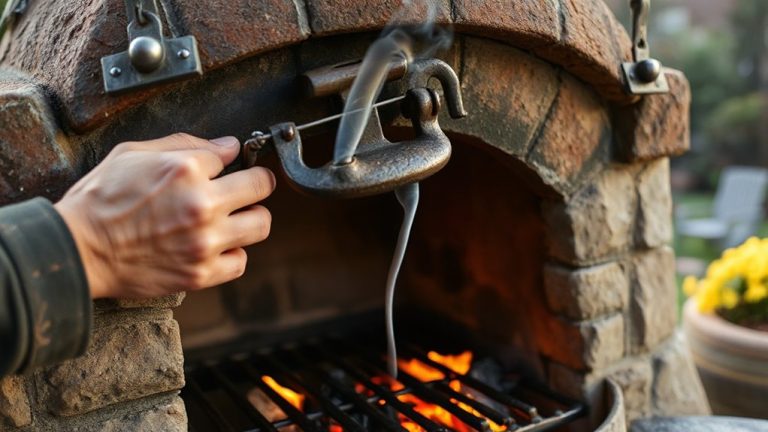
Once the oil is evenly applied, it’s time to ignite the grill and begin forming the polymerized layer, a critical transformation that turns raw metal into a slick, resilient cooking surface. You’ll need to monitor the grill temperature closely-aim for 350°F to 450°F, the ideal range for polymerization without burning the oil. Heat the surface for about 30 to 45 minutes; this heating duration allows the oil molecules to bond tightly with the metal. If the temperature runs too high, the oil degrades; too low, and the layer won’t form properly. A well-regulated heat source guarantees a consistent, durable finish. This process isn’t just about sealing the metal-it’s about building performance into the cooking surface. Over time, repeated proper heating strengthens the layer, enhancing non-stick behavior and simplifying cleanup. Getting the balance right between grill temperature and heating duration is foundational.
Restore the Coating After Each Use
Regularly restoring the coating after each use isn’t just good practice-it’s essential for preserving the grill’s performance and longevity. After cooking, let the flat-top cool slightly, then scrape off debris with a metal scraper. Wipe the surface clean using a damp cloth or paper towel to remove residue. Once clean, apply a thin layer of high-smoke-point oil-like canola or grapeseed-using a lint-free cloth, spreading evenly across the surface. This step reinforces surface protection and supports the polymerized layer. Over time, consistent grill maintenance like this prevents rust, enhances non-stick properties, and extends the grill’s usable life. Skipping restoration weakens the finish, leading to uneven heating and sticking. Proper care doesn’t just keep your grill looking good-it directly impacts cooking efficiency and food quality. Treat the surface well, and it’ll deliver reliable results through countless meals. For optimal results, consider using best cast iron cookware designed for high-heat retention and even grilling.
Why a Polymerized Layer Prevents Sticking
Though it might seem like magic when your pancakes slide freely across the griddle, the real reason they don’t stick lies in the polymerized layer built up over time. This layer forms a durable, slick surface through a strong chemical bond between heated oil and the metal. It fills microscopic pores, creating a non-stick barrier that improves with proper care. The surface durability resists food adhesion and simplifies cleanup, making it essential for consistent outdoor cooking performance.
| Feature | Effect on Cooking |
|---|---|
| Smooth finish | Reduces food grip |
| Oil integration | Enhances natural release |
| Heat resistance | Maintains integrity at high temps |
| Chemical bond | Locks oil into metal pores |
| Surface durability | Withstands scraping and use |
This conditioned layer outperforms sprays or coatings, offering a long-term, safe solution perfect for frequent BBQ use.
On a final note
You’ve now built a durable, non-stick surface through proper polymerization. This protective layer forms when oil bonds chemically to the metal under heat, creating a smooth finish that improves with care. It resists food sticking and guards against rust-key for consistent outdoor cooking performance. Re-seasoning after use keeps it effective. While it demands attention, the payoff in flavor, ease, and grill longevity makes it essential for serious BBQ. Proper maintenance guarantees reliability in every cook.